
Spring in Northeast Wisconsin brings a surge in ticks, fleas, mosquitoes, and intestinal parasites. Learn what to watch for in dogs, cats, and exotic pets—and how Gentle Vet helps prevent infestations and parasite-borne disease.
Why spring is “parasite season” in Green Bay and the surrounding area
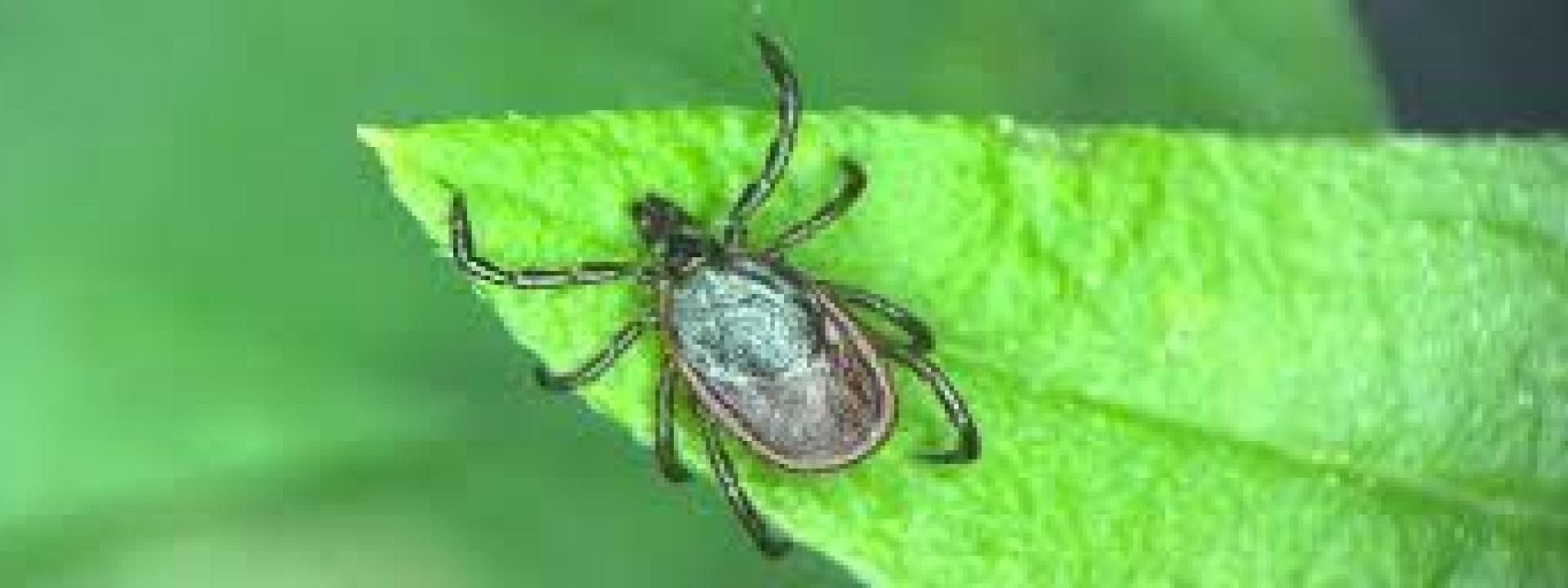
As snow melts and wildlife activity increases, parasites ramp up fast—especially ticks. In Wisconsin, the most commonly encountered ticks are blacklegged (deer) ticks and American dog ticks, and they’re active from spring through fall (with risk that can extend beyond that depending on conditions). (Wisconsin Ticks)
Add in our local environment—woods, brush lines, backyards bordering habitat, deer traffic, and small mammals/birds—and the parasite pressure is real. Wildlife hosts are a key reason ticks remain “ever-present,” even when pets are on preventives. (DVM360)
The big 4 spring parasites we worry about (dogs, cats, and exotics)
1) Ticks (and tick-borne disease)
Why they matter: Ticks aren’t just gross—some transmit infections like Lyme disease and anaplasmosis (both are relevant risks in Wisconsin). (UW-Madison Vet School)
Timing matters (a lot): Different pathogens can transmit at different speeds. Some (like certain rickettsial infections) may transmit within hours, while Lyme disease typically requires ~24–48 hours of tick feeding, creating a window where fast-acting tick control + daily tick checks can reduce risk. (DVM360)
What we recommend at Gentle Vet:
- Use a veterinarian-recommended tick preventive (ask us which option fits your pet and lifestyle).
- Do a daily tick check during spring hikes, yard time, and cabin weekends.
- Remove ticks correctly: gentle, steady rearward traction—don’t twist, crush, or burn. (If mouthparts remain, it’s usually a foreign-body issue like a splinter, but we still prefer full removal.)
- Ask us about vaccines where appropriate (risk-based, not one-size-fits-all).
2) Fleas
Why they matter: Fleas can cause severe itch, allergic dermatitis, secondary skin infections, and can contribute to tapeworm transmission when pets swallow infected fleas.
The Wisconsin trap: Many owners think fleas “aren’t a problem here” or only show up later in summer—yet indoor environments and changing seasonal patterns can keep flea risk alive longer than expected. (This is a common misconception nationally across parasite prevention.)
What we recommend:
- If one pet has fleas, treat every mammal in the home (as medically appropriate).
- Treat the environment (vacuuming, washing bedding, and targeted home steps) because flea life stages aren’t all on the pet.
- If your pet is itchy, don’t guess—we can help confirm fleas vs mites vs allergy so you’re treating the real cause. (UW-Madison Vet School)
3) Mosquitoes and heartworm
Why it matters: Mosquitoes transmit heartworm. This isn’t a “southern-only” problem—heartworm cases occur across the U.S., and misunderstanding risk is common among pet owners. (DVM360)
What we recommend:
- Year-round heartworm prevention is the simplest, safest strategy for most households (and it helps protect against other parasites depending on the product).
- Heartworm testing as recommended for your pet’s age, history, and prevention consistency.
4) Intestinal parasites (roundworms, hookworms, whipworms, Giardia, coccidia)
Why it matters: These can cause diarrhea, weight loss, poor growth, and can pose human health concerns in some cases—especially for kids and immunocompromised family members.
Spring triggers: More outdoor exposure + muddy yards + dog parks + wildlife feces exposure = more opportunities.
What we recommend at Gentle Vet:
- Routine fecal testing (even when stool looks normal).
- Targeted deworming based on test results and risk.
- For multi-pet households and new pets, baseline testing is especially important.
Don’t forget exotics: spring parasite risks look different
Gentle Vet sees dogs, cats, and exotics—and parasite prevention isn’t one-size-fits-all.
Examples we see in practice:
- Rabbits/guinea pigs: mites, lice, and “itch problems” that are often mistaken for dry skin.
- Ferrets: fleas and ear mites can be significant.
- Birds: external parasites (like mites) can cause feather damage and irritation.
- Reptiles: mites are a common and frustrating issue, especially with new additions or contaminated enclosures.
Important: Many over-the-counter parasite products for dogs/cats are unsafe for certain exotic species. Please call us before applying anything to a pocket pet, bird, or reptile.
A practical “Spring Parasite Plan” for Northeast Wisconsin
Here’s what we recommend as a straightforward, high-compliance plan:
- Schedule a spring wellness visit (especially if you hike, camp, hunt, or live near woods/wildlife corridors).
- Choose prevention intentionally: tick + flea + heartworm coverage matched to your pet’s risk.
- Run a fecal test (even for healthy-looking pets).
- Do weekly skin/coat checks and daily tick checks during peak outdoor weeks.
- Call early if you see: new itching, hair loss, ear debris, diarrhea, vomiting, coughing, lethargy, or reduced appetite.
When to call us (don’t wait)
Contact Gentle Vet if you notice:
- A tick attached (especially if your pet seems ill)
- Sudden intense itching or widespread scabs
- Diarrhea lasting >24 hours (or any diarrhea in a very young/small pet)
- Weight loss, poor appetite, or lethargy
- Any parasite concern in an exotic pet (products can be unsafe if chosen incorrectly)
If your pet (or exotic companion) needs a spring parasite plan—we’ll tailor prevention to your household and your pet’s lifestyle.
Call us: (920) 435-5000

Email: [email protected]

Follow us on Facebook & Instagram for seasonal pet health tips from our Green Bay team.